
When a vehicle is shipped, it must be documented in the right format to ensure its protection from the beginning until the end. Do shipping companies check car conditions? Yes, reputable shipping companies often conduct checks to verify your car’s condition after shipping. Reputable shipping companies often conduct checks to verify your car’s condition after shipping. Despite the universal application of this general concept, the specific verification details depend on the case.
In this guide, we’ll explore how shipping companies check the condition of cars, what you can expect from the inspection process and how you can protect your vehicle.
1. Importance of Verifying Car Conditions
It is very important to verify your car condition before being transport by the driver. Having a visual record of the state of your property is critical. It protects against any pre-existing damage accusations from the moving company. It also serves as a reference point if there is any damage during transit. Doing a condition report before dispatching your vehicle, will give you and the transport company, a clear understanding of your vehicle’s state.
The importance of confirming car conditions
By having your vehicle inspected prior to shipment, the transport company liable for any pre-existing damages or faults. Furthermore, the shipping provider will only be liable for damages that occur as a result of their action.
When the condition of the car is verified, it helps eliminate disputes in case any damages to the car occur. This provides a comprehensive history of damage or other occurrences of the car before shipment.
You can rest assured that your car is being handled correctly, if you have documentation on its condition before ship.
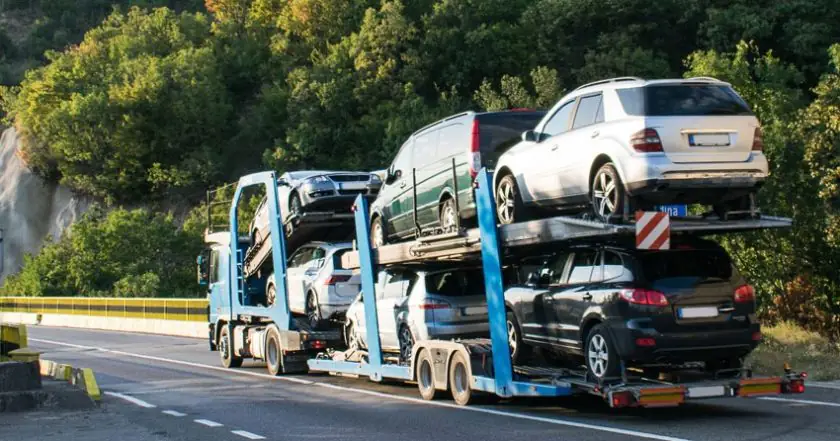
2. How Shipping Companies Asses the Conditions of Cars
A decent quantity of expert automobile transporters employs a similar process to confirm and document your car’s condition. This is what you can expect during the condition verification.
1. Inspection before Transport
When you book the transport of your vehicle, the first step is an inspection. This is usually performed at pickup. The driver transporting the goods or Company’s agent will carry out the inspection.
Exterior Inspection: The driver will walk an outside check of the car and note any scratches, dents, paint chips or any other visible damage. It will be noted on the inspection form and possibly photographed for evidence.
Transport companies sometimes also take a look inside the car to note any pre-existing issues and any belongings left inside. Doing this prevents claims for damage on the inside of the vehicle.
Getting the mileage of the car recorded, is also done as there are chances of the mileage becoming a reference point for further damage to the car.
Most likely, a Condition Report generated upon inspection The report will have a comprehensive list of the car’s condition with pictures of the damage.
2. Evidence of Photo
Well-known shipping firms such as Expedite Car Shipping.
Frequently, they click the pictures of the vehicle before the loading process. These pictures will act in your favor as the car owner, as well as proof for the company if anything goes wrong during transit.
It is reasonable for you to expect that the photos will display the condition of the car from various angles, particularly focusing on any scratches, dents or scratches that might be of concern for you.
If you want to claim insurance, you can use these snaps in case of any damage they received while in transit. This makes sure that your vehicle’s condition properly recorded before shipment.
3. Shipping Receipt
The Bill of Lading (BOL) is another important shipping document. It functions as a receipt and a contract between you and the transport firm involved. The BOL will contain all particulars regarding the vehicle involved, including its condition after pre-shipment inspection.
Pre- shipping condition information is includ on the BOL reports existing damage and the driver will confirm the damage with you at pick-up.
Signed Acknowledgment: You will sign the BOL together with the driver, confirming the condition of the vehicle and the terms of transport.
3. Inspection after Transport
Once the car reaches its destination, a thorough check is done to confirm the condition of the car has not change. The inspection is equally as important pre-discharge inspection.
1. Last Check at Time of Delivery
Once the vehicle delivere, the driver will check whether the condition is the same as stated in the paperwork done when it was picked up.
Matching the pre-transport condition: The final inspection will check the vehicle for new damage or damage which was not visible at pick up.
As long as no new damage has occurred, the vehicle signed off.
Reporting Damage: When the driver finds any new damage, he refers to the transport company’s customer service about the issue causing the damage.
2. Dealing with Damage Claims
If your car is damaged while being transport, verifying its condition necessary to secure your insurance claim. The way claims normally work is like this.
Leak On Sign: After inspection, you will create and leak on a sign for the shipping company for damage.
Give evidence: Using the condition report, photos, and the Bill of Lading, prove its old condition and any new damage.
The transport company will review the claim and the car (if necessary) and take the necessary next step like giving compensation for the repairs.
4. How To Keep Your Car Safe During Transportation
Although the company will take every precaution, you can do a few things to ensure the safety of your vehicle while in transport.
1. Get Your Vehicle Ready for Shipemnt
Beforehand, clean the car. If there is any damage, the cleaning will make it immediately visible and easier to document.
Transporters’ insurance policies do not cover personal items left in a vehicle. Take away any valuable or that can move and cause damage.
2. Choose the Right Mode of Transport
The safety of your vehicle impacted by the selection of the method used for transport. Enclosed transport is a better option if you have a higher-end car. It protects the car from elements and debris on the road.
3. Get Extra Insurance
The shipping company’s full coverage may not be adequate. It is a good idea to purchase additional insurance, especially for expensive or classic vehicles. This extra coverage ensures that your car is covere in the event you suffer any eventualities.
5. In conclusion, your car’s condition must be verified and protected
Yes, shipping companies do check the condition of a car before and after the shipping. This procedure will involve detailed inspection, photography and the development of a condition report on the vehicle. Should there be any problems during shipping, these documents will guarantee that everything is in order.
Expedite Car Shipping is a reliable auto transport service that will ensure the proper protection of your vehicle.. With their detailed inspection, transparent paperwork, and ample insurance options, you can rest assured that your car is in safe hands for the entire transport process.
